Skip to content

The Dummy Fairy Method

The complete seven-night plan for handing them over to the fairies — what to say at 2am, what to do when it goes wrong, and why ours leaves a star behind. Written for both dummies and pacifiers.

Last updated

What is the dummy fairy?

The dummy fairy is a bedtime story parents use to help a toddler give up their dummy willingly. The child gathers every dummy in the house into a box and leaves it out overnight. The fairy takes them and leaves a letter and a small thank-you gift in their place. It works for the same reason the Tooth Fairy works: the child hands something over rather than having it taken away, and gets proof the exchange was real. Expect the hardest resistance on nights two and three, with sleep back to normal inside seven to ten days.

She goes by a lot of names — dummy fairy in most of England, soother fairy in Ireland and Scotland, do-do fairy where we’re from, and the pacifier fairy, paci fairy or binky fairy in America. Same fairy, same job. In this house she has a name: Ditch.

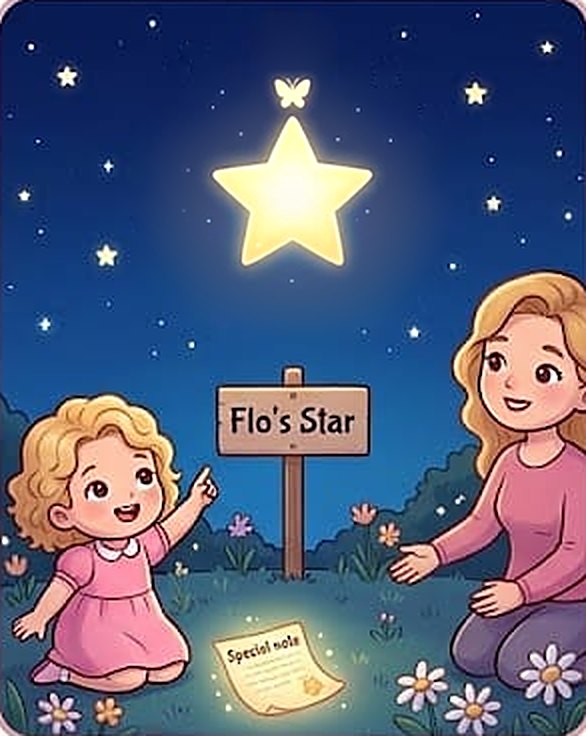
The Dummy Star Method is our version of it, and the reason this site is called Ditch the Do-Do. Ditch doesn’t just take the dummies away — she turns them into a star. On the nights it gets hard, you have somewhere to point.

Dummy, pacifier, paci, binky, soother or do-do — same object, same method, and this guide covers all of them. It’s written in dummy throughout; you can change that to your word at the foot of any page and it’ll stick.

Is your child actually ready?

The single biggest predictor of an easy dummy goodbye isn’t age. It’s whether the child can hold a story in their head for a few days and understand that giving something away is a choice they are making.

That’s usually somewhere between two and three and a half. Younger than about 20 months and the story doesn’t land — you’re doing straight withdrawal with extra steps, and a gentler taper is usually kinder. Past four, plenty of children will half-see through it. That’s fine: run it as a knowing ritual rather than a secret, the way families already do with the Tooth Fairy. “Shall we do the fairy thing this weekend?” works surprisingly well on a canny four-year-old who wants the certificate.

Green lights

  • They can follow a two- or three-step story and bring it up again the next day.
  • The dummy is already mostly a sleep thing rather than an all-day thing.
  • They’ve recently been proud of being “big” about something else — a big bed, a potty, a first day at nursery.
  • You have a genuinely ordinary week ahead. No birthday, no travel, no houseguests, not the week you move house.

Wait a few weeks if…

  • A new baby is due within about six weeks — or arrived within the last six.
  • They’re mid-way through a nursery or childminder transition, or switching rooms.
  • They’re ill, teething badly, or just coming out of an ear infection.
  • You’re about to move them out of the cot. Do one, then the other, with a few settled weeks in between.

A note on waiting. “Not this month” is a completely legitimate answer, and it is not the same as never. But be honest about whether you’re waiting for the child to be ready or waiting for a week when it will feel easy. There is no week when it feels easy. There are only weeks that are ordinary, which is the next best thing.

What you’ll need

Almost none of this is essential. The story is the active ingredient. But the props make it real to a three-year-old, and — more usefully — they stop you improvising a fairy letter at 9pm.

  • A letter from the fairies. Handwritten, small paper, slightly odd handwriting. Take ours free if you’d rather not write one — there’s a dummy version and a paci version, and a tool that fills in the blanks for you.
  • A box your child decorates. Not a bag, and not one you’ve already prettied up — a plain shoebox, a biscuit tin, and stickers, crayons and glitter to let them cover it themselves. This is the single most underrated item on the list: a child who has spent twenty minutes decorating a box has already decided to give the dummies away, and the decorating does more work than anything you say.
  • Fairy dust. A pinch of glitter or, better, dried lavender or oat flakes. If you’re scattering it on a lawn, use something biodegradable.
  • A thank-you treat. Small. A packet of their favourite sweets, a book, a torch. It is not payment — it’s proof the fairies came.
  • A certificate. Optional, and by far the item children go back and look at most in the following fortnight.
  • A light outside. A solar fairy light or a jam jar with a solar cap, in the garden or on a windowsill. This is the bit that becomes the star.

The Dummy Star Kit bundles printable versions of all of it, but you can absolutely do this with a pen, an envelope and something from the back of the toy cupboard. Nothing on this page is held back for the paid version — the kit saves you an evening, it doesn’t unlock the method.

The seven-night plan

Three nights of build-up, the handover, then three nights of holding the line. You are not aiming for a child who doesn’t mind. You’re aiming for a child who minds, and manages.

  1. Night one — plant the storyAt bedtime, tell it like any other story, not like an announcement. “Did you know there are fairies who live in gardens, and they collect dummies? They need them to make stars. But they can only take them from children who want to give them.” Then move on. Do not ask them anything. Do not check whether it landed. Let it sit.
  2. Night two — let them come to youAlmost every child brings it up themselves within a day. Answer the questions they actually ask, keep it light, and slide in the only detail that matters: they choose when. If they don’t bring it up, tell the story once more, then leave it alone again.
  3. Night three — pick the night togetherGet a calendar out and let them point at a day. Two or three days away, not tomorrow, not next month. Draw a star on it. From here on, mention it once a day, cheerfully, in passing — not as a countdown to something frightening but as a plan you’re both in on.
  4. The day — decorate the box, then hunt them downDo the box first, while everyone is fresh: stickers, crayons, glitter, their name on the lid, as long as they want to spend on it. Then make finding the dummies a game. Under the cot. In the car . The one in the changing bag. The emergency one in your coat pocket. Every single one, and they go in the box themselves. This matters more than anything else you’ll do today: a child who has decorated a box and personally put eleven dummies in it has made a decision, and children defend their own decisions.
  5. The handover — at dusk, not at bedtimeDo it while it’s getting dark but before the bedtime routine starts, so bedtime is still bedtime. Let them carry the box out and choose where it goes — doorstep, windowsill, under a bush, next to the fairy houses if you have them. Sprinkle the fairy dust. Say goodnight to the dummies out loud. Then come in, close the door, and run the normal routine: bath, teeth, two books, lights out.
  6. That night — expect a wobble, not a catastropheSome children go straight to sleep. Most take 20–40 minutes longer than usual and wake once or twice. Go in, stay boring and warm, and say the same short thing every time. Do not renegotiate at 1am. There is nothing to renegotiate — the dummies are gone.
  7. The morning — make it enormousThe box is gone. In its place: the letter, the treat, and a small pile of fairy dust that’s slightly disturbed, as if something landed and took off again. Read the letter aloud at least twice. Ring a grandparent so they can hear it again. Put the certificate somewhere they can see it from floor height.

What to actually say at 2am

At 2am, with a crying toddler, you will not compose anything good. Decide your sentence in advance and use the same one every time. Repetition is the point — a new sentence sounds like a reopened negotiation.

When they ask for it: “I know. You gave them to the fairies — that was such a big thing to do. I’ll stay with you while you go back to sleep.”

When they’re cross about it: “You’re allowed to be cross. It’s hard. I’m here.” Then stop talking. Cross is fine. Cross passes.

When they ask for them back: “The fairies have already made them into stars. Shall we go and look at yours?”

When you’re wobbling: nothing out loud. Whatever you’re feeling, the child needs to hear that this is settled and safe, not that the adult is also unsure.

Notice what none of those sentences do: they don’t argue, they don’t explain the reasoning again, and they don’t say “you’re a big boy or girl now.” Being big is the thing they’re most frightened of at 2am. Being with you is the offer.

The star: why we added it

The standard dummy fairy story has a gap in it, and every parent who runs it hits the same wall on about night three: the dummy went somewhere, and the child wants to know where. “The fairies gave them to new babies” is the usual answer, and it’s a good one — right up until your child concludes that a specific baby has their specific dummy and could presumably give it back.

Turning them into stars closes the loop. A star is unmistakably gone — nobody is getting a star back — and yet it is still theirs, visible, and outside the window. It converts an absence into an object. That’s the whole trick.

Practically, it gives you three things:

  • Somewhere to go. Getting out of bed to look out of the window is a legitimate, calming, finite action. It breaks the loop of asking far better than lying there being told no.
  • A daytime anchor. Put a solar light in the garden. It comes on at dusk on its own. “Look, the fairies have lit yours” costs you nothing and buys about a week of goodwill.
  • An answer for cloudy nights. Which is its own problem, and which we’ve written a bedtime story for.

Nights two and three

Night one usually goes better than you feared. The story is fresh, the letter arrived, there’s a new torch. Nights two and three are where families give up, because the novelty has gone and the habit hasn’t.

What that looks like in practice: longer settling, one or two more wakings than usual, and a child who is completely fine all day and falls apart at 6.45pm. It is not a sign you’ve done damage or that they weren’t ready. It’s the ordinary shape of an unlearned habit — the same shape as the third day of a new nursery.

How long does dummy weaning take?

For most children aged two to four, the sharp part lasts three to five nights, with sleep back to roughly normal within seven to ten days. Daytime asking usually stops sooner than night-time asking. Occasional requests can resurface for a few weeks after illness, a holiday, or any change to the sleep routine — that’s a relapse in the asking, not in the giving-up, and it passes in a night or two if you hold the same line.

The one rule for these two nights: do not produce a dummy. Not “just this once”, not “just for the nap”. Giving one back after the fairies have taken them doesn’t reset you to the start — it teaches that enough crying reverses the story, and the next attempt is harder than the first.

Which is exactly why the hunt matters. If there is no dummy in the house, you can’t cave at 3am. Check the car, the buggy, the changing bag, the coat pockets and the toy box, and get rid of what you find. Not in the kitchen bin. Out of the house.

When it doesn’t go to plan

They find one you missed

Don’t panic and don’t snatch. “Oh! The fairies missed one. Shall we put it out for them tonight?” A second, smaller handover — one dummy, on the doorstep, no ceremony — usually goes fine and reinforces the story rather than undermining it.

They get ill on night two

A cold, a temperature, a bad ear. This is the one situation where most parents feel they should go back, so let’s be clear: you can offer every other comfort — sitting with them, a drink, being picked up, sleeping in their room — without producing a dummy. If they’re genuinely unwell enough that you’d keep them off nursery, pause the expectations (accept the extra wakings, don’t push independent settling), but keep the dummies gone. Restarting from scratch is much harder than riding out a rough week.

Nursery or a grandparent still has one

Tell everyone before the handover night, not after. One message: “Ellie gave her dummies to the fairies on Tuesday — please don’t offer one, even at nap.” Nurseries deal with this constantly and will usually be better at holding the line than you are. Grandparents are the risk.

Naps have collapsed

Common, and usually temporary. If the nap has genuinely gone, protect the bedtime instead — bring it forward by 20–30 minutes for a week rather than fighting for a nap that isn’t coming. An overtired child asks for the dummy more, so an early night is doing real work here.

It’s genuinely not working after a week

If after seven to ten nights your child is still distraught for long stretches — not just grumbling — then stop and reassess rather than grinding on. Stopping is not failure; it’s information. Wait four to six weeks, then try again, often with a gradual approach first to shrink the dummy‘s role before the fairies come.

If the fairy story isn’t right for your family

Some families don’t do magic stories, some children are too young for one, and some are far too sharp for one. All of these work. The full comparison is in how to wean off a dummy; the short version:

MethodBest forWatch out for
The dummy fairy2–4 year olds who love a storyNeeds a child who can hold the idea for a few days
The dummy tree (UK, Ireland & Scandinavia)Children who need to see where it wentYou need a tree you can revisit; some public ones are seasonal
The trade-in trip (common in the US)Children who need to see the exchange happenPick the toy in advance or you’ll be negotiating in a store aisle
Gradual reductionUnder-2s, and anxious childrenSlow; needs consistency from every adult for weeks
The one-place ruleAll-day suckers, as a first stepNot an endpoint on its own — it shrinks the habit, doesn’t end it
Cold turkeyOlder children who’ve said they’re readyThree genuinely hard nights, and no story to fall back on
Giving them to a new babyFamilies expecting one, or with a cousinCan backfire badly if the child later feels replaced

One we’d avoid: snipping or piercing the teat so it stops working. It’s a popular trick and we understand the appeal, but a cut or damaged teat can tear, and loose pieces of silicone are a choking risk. If you want the dummy to be unappealing rather than absent, there are safer routes — and honestly, the fairies are a nicer story than “your dummy broke”.

Age by age

Under 2

Too young for the story to do much lifting. Use gradual reduction: cut daytime use first, then the nap, then nights last. If you want a ritual, do a simplified one — put the dummies in a bag together, wave them off, and pour everything into new bedtime comfort.

2 to 3

The sweet spot. Old enough to understand and be proud, young enough to believe it completely. Expect big feelings and a short adjustment. This is the age the whole method is designed around.

3 to 4

Still very effective, and the letter and the certificate matter more than the gift. Give them more control: let them write or draw something for the fairies to take, and let them choose where the box goes.

4 and over

Run it openly. Many four- and five-year-olds will half-believe and half-play along, and that’s fine — the ritual still works as a ritual. At this age it’s also worth raising with your dentist if they haven’t already, since prolonged use is more likely to be affecting the bite. See when to stop using a dummy, which sets out what the evidence actually says and where it’s weak.

Questions parents ask

What is the dummy fairy?

A bedtime story parents use to help a toddler give up their dummy willingly. The child gathers every one in the house into a box and leaves it out overnight; the fairy collects them and leaves a letter and a small gift in their place. It works because the child hands them over rather than having them taken away.

Is the paci fairy the same as the binky fairy?

Yes. Dummy fairy, paci fairy, binky fairy, pacifier fairy, soother fairy and do-do fairy are all the same story under different household words. Use whichever your child actually says, and keep it consistent in the letter — that is the detail that makes it feel real to them.

What age is the pacifier fairy best for?

Two to three and a half. Younger than about 20 months and the story does not land, so a gradual taper is kinder. Four and over still works well, but run it openly as a known ritual rather than a secret.

How long does pacifier weaning take?

Three to five nights of real difficulty, with sleep back to roughly normal within seven to ten days. Daytime asking usually stops before night-time asking does. Occasional requests can resurface for a few weeks after illness or a holiday.

What do I write in a dummy fairy letter?

Use your child’s name at least twice, say how many there were, mention one detail only the fairies could have noticed, say where they went in a way that closes the door, and tell them hard nights are allowed. Free templates and a tool that fills in the blanks are on our fairy letter page.

What should the binky fairy leave behind?

A letter, something small, and ideally a certificate. The gift is not payment — it is evidence the fairy came. A book, a torch or a soft toy all work. Keep it small enough that the letter is still the main event.

What do I do if my child finds a soother we missed?

Do not snatch it. Say the fairies missed one, and put it out for them that night. A second small handover reinforces the story rather than breaking it — which is exactly why hunting every one of them down beforehand matters so much.

What if my child gets ill during the first week?

Offer every other comfort — sitting with them, a drink, being picked up, sleeping in their room — but do not produce one. If they are genuinely unwell, relax the expectations around settling rather than reversing the decision. Restarting is much harder than riding out a rough week.

Should I tell nursery or daycare and the grandparents?

Yes, and before the handover night rather than after. One short message saying they went to the fairies and asking nobody to offer one, even at nap. Nurseries and daycares deal with this constantly. Grandparents are usually the weak point.

Is it wrong to lie to my child about fairies?

It is the same category of story as the tooth fairy or Father Christmas — a shared, kind fiction that gives a child a way to do something difficult. Children who later work it out are almost never upset about the fairy; they remember being brave. If it does not sit right with you, gradual reduction achieves the same end without a story.


Next